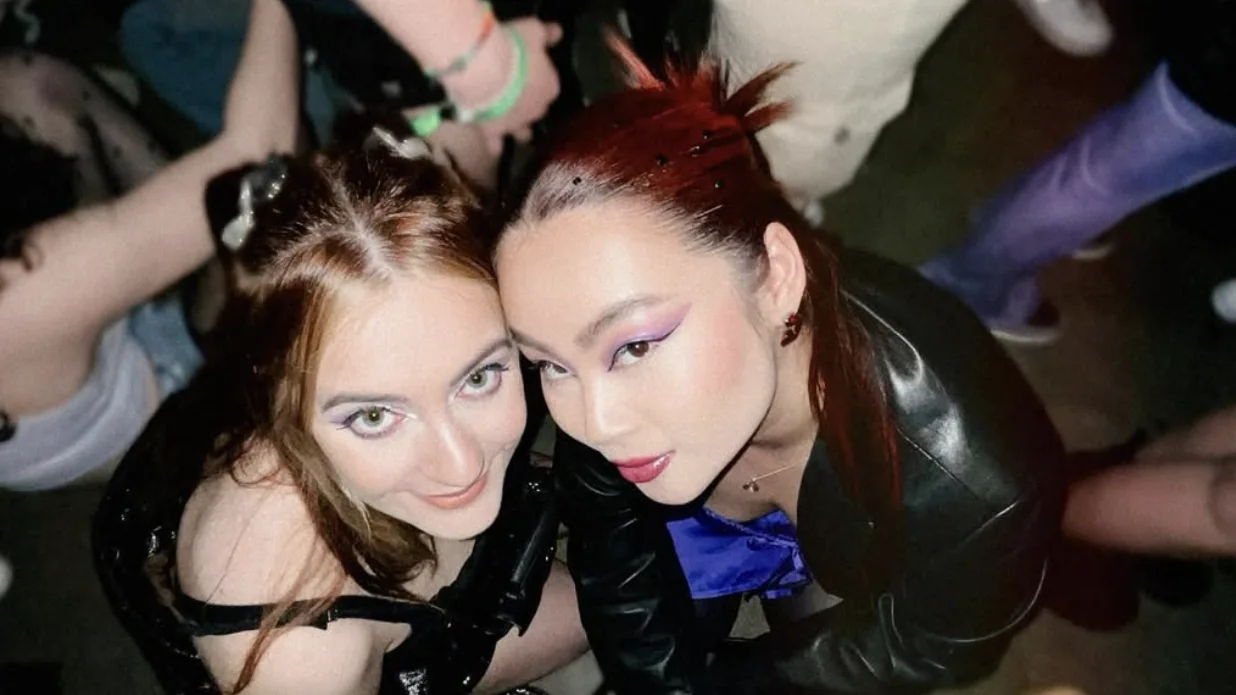
When I say we are all changemakers, I mean all of us, not just those with the titles and the track records, but the ones coming up behind them. This series has always made space for people already leaving their mark. With this conversation, I want to widen the stage: to the next generation of changemakers. And there was never any question about who I'd start with.
Mickey Jones is an award-winning creative and copywriter, a two-time DMA Awards judge, and a first-class Creative Advertising graduate whose career has taken her through RAPP, Keko London, Langland, Havas CX helia and Initials CX. She's an alumna of Brixton Finishing School, the free ad school for diverse talent she credits with changing her life, and was recently named a founding member of its first Alumni Board. As I write this, she's about to start a new role at a London agency.
You may already know her words without knowing her name. In April 2020, while still trying to break into the industry herself, Mickey wrote "Young, Broke & Hungry: How Can Advertising Improve the Way It Recruits Juniors?", a piece for Little Black Book that went viral. Written from her perspective as a working-class woman of colour commuting four hours to portfolio reviews on a barista's wage, it held a mirror up to an industry that shouts "open door" from its rooftops while keeping the hinges stubbornly stiff for anyone outside London, or outside the mould. Five years on, she says it's due a version 2.0.
Closer to home: Mickey has been an essential part of Expansion Works® from the beginning, editing the podcast and shaping our content from launch onwards (her first Reel for us passed 14,000 views). She's also sat in the chair herself, working with me in one-to-one neurocoaching sessions. In this conversation, we talk about the article that struck a nerve, an honest account of job hunting in the hardest market juniors have ever faced, what it takes to keep going, the realities of moving through this industry as a woman and a woman of colour, and what shifted when she started clearing what she'd been carrying.
Could you please introduce yourself and share a bit about your background? What first pulled you toward advertising, and what has kept you here?
Hello, I'm Mickey (the human not the mouse). My lore spans across two countries. I was born in Vietnam, in a beautiful UNESCO heritage site called Hoi An. Honestly, I was lucky to grow up in a place that felt trapped in time. And when I was 8, my Mum and I emigrated to middle-of-nowhere Shropshire to find a better life. Back then (and still now, let's be real), we were the only people of colour in the area. The racism was rampant and I had to develop a thick skin. But I also have that place to thank for my constant hunger to see the world and get out there. I always had a feeling that I was meant for something bigger.
That something bigger turns out to be advertising. I found my career by total accident after walking into the wrong lecture. They were playing a showreel of previous alumni's work and as I watched, it felt like a lightning bolt had struck me. I just knew in my gut this was what I was supposed to do.
I'm not gonna lie, the road ahead wasn't easy or straightforward. I also had the added pressure of being the first to go to uni and despite my parents' wishes, I took a risk by becoming a creative.
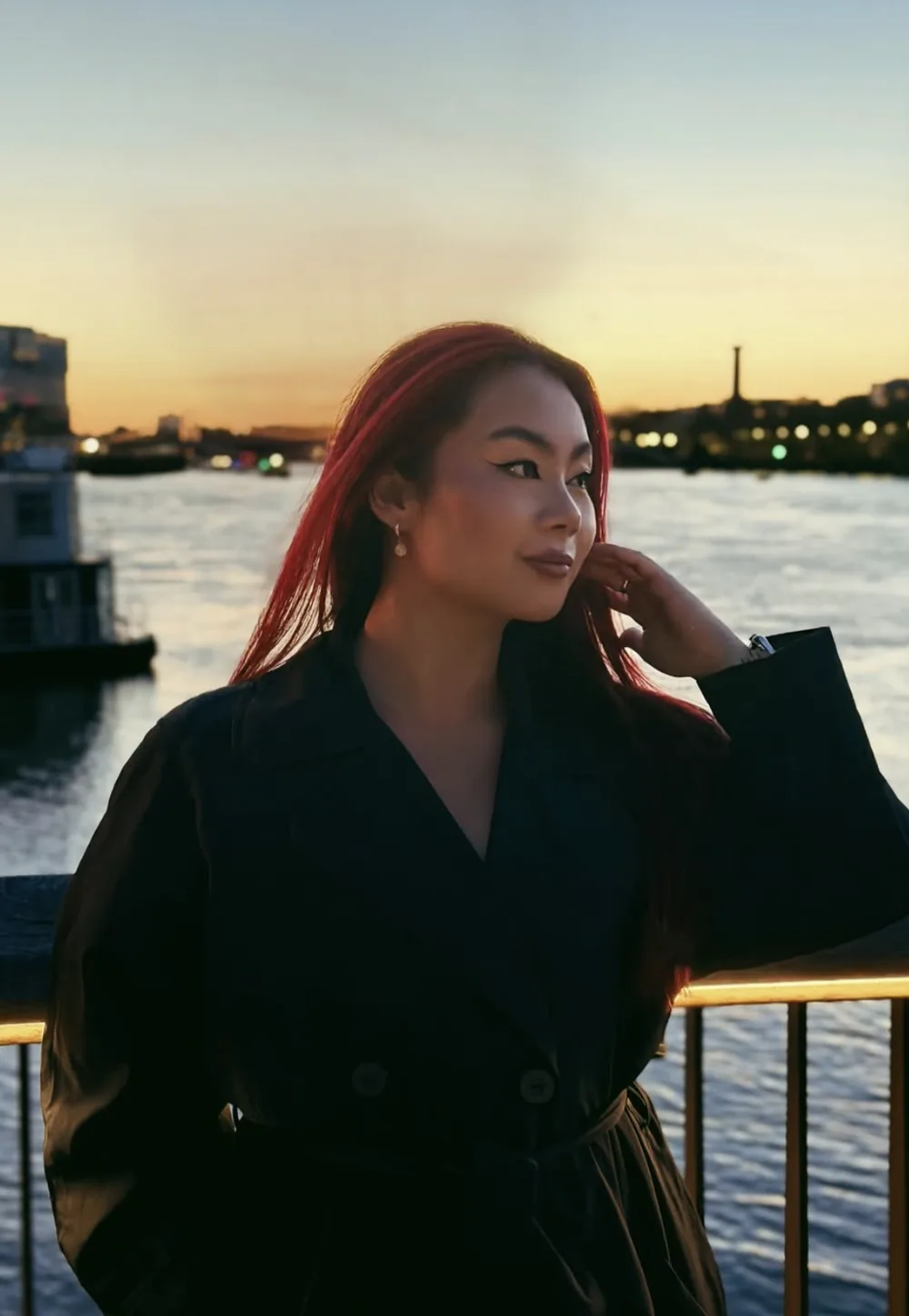
In April 2020, while you were still trying to break in, you wrote "Young, Broke & Hungry", and it went everywhere. Why do you think it struck such a nerve?
It struck a nerve because it was the truth. It held up a mirror to the industry. It acknowledged the real barriers people from underrepresented backgrounds faced when trying to break into an elitist industry. I had people messaging me from all parts of the world saying how much it resonated with them. And selfishly, I wanted to get my own truth out there too. As a Junior at the time, you're expected to just be quiet and take it like it's a rite of passage. Turns out when you have a point to make, and you can articulate the problem in all its glory, people will listen.
You've said that piece is overdue for version 2.0. Five years on, what did the original miss, and what's actually changed for better or worse?
Rather than missing anything in the previous article, it's more of an evolution. Six years have passed since I interviewed 200 creatives and wrote the article. Our industry is quite literally falling apart. The one silver lining is I do see a lot more initiatives out there now to help break down the barriers to entry. But looking at hiring trends, Junior roles are becoming extinct and in 10 years' time that's going to be a bomb waiting to go off. The other aspect is a lot of people in the industry are now starting to question if there's even an industry worth staying for. Budgets aren't what they used to be, deadlines are getting tighter, clients are more risk averse and the perks are dropping. We seem to be having a lot less fun and a lot more "optimisation". And no one seems to be asking "at what cost?" or rather, "whose cost?".
You've just secured a new role at a London agency, in what you've called a dire job market, and you weren't being dramatic. Honestly, what did the search look like from the inside?
It was a messy rollercoaster at best. A crash landing for self-worth at worst. At the start there were a lot of ignored emails, phone calls that never led to anywhere, being ghosted by recruiters etc. Despite working in the industry for six years and winning awards, it felt like you had to prove yourself all over again. The snobbery was real. "Oh you've never worked on a beer brand before? Forget it". Like dude, I was a bartender for 4 years and I know the difference between a stout and a bitter even if I never wrote a tagline for one.
The search really took a toll on my confidence. The financial worries were real and you're just in survival mode. But now that I'm on the other side, I know that if I could survive that, I could do literally anything.
For the creative reading this who's on their hundredth application and running on fumes: what genuinely helped you push through, practically and mentally?
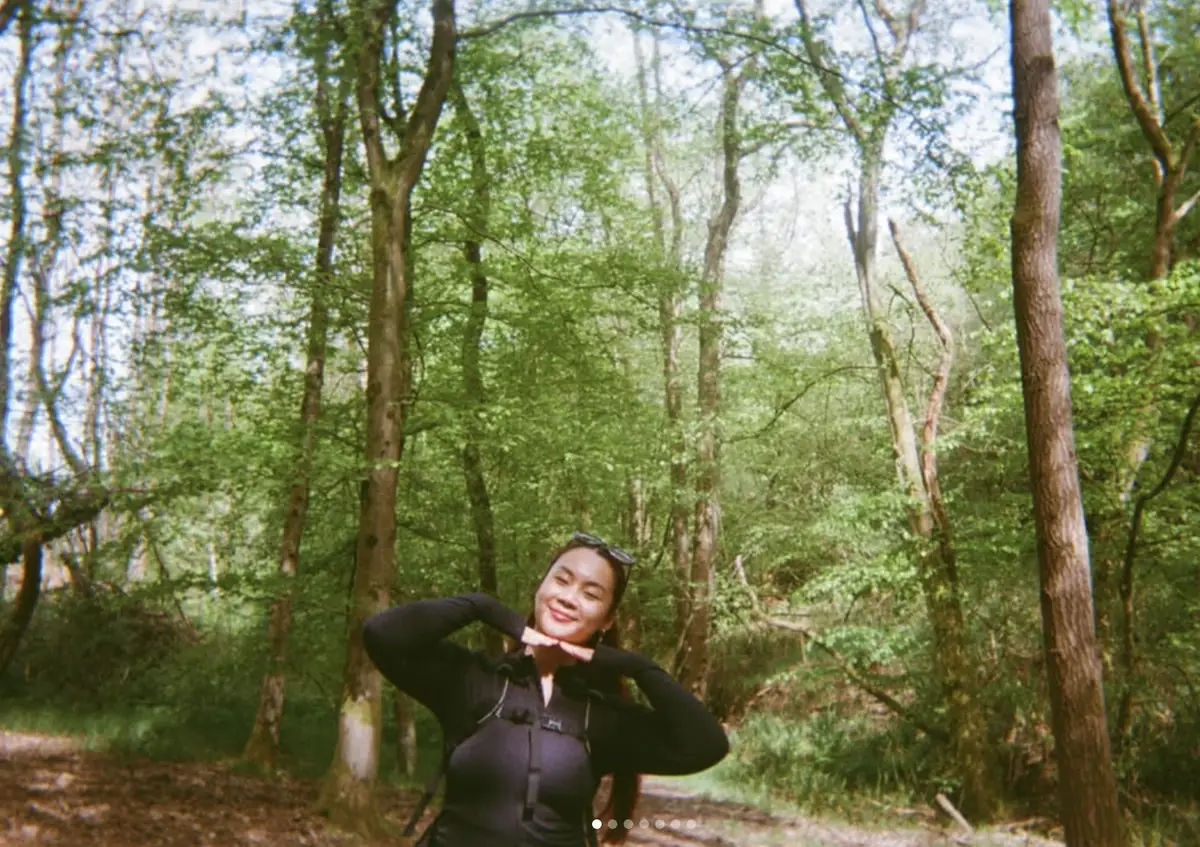
Firstly, I touched A LOT of grass. Being in nature can help your problems feel so small and it's really grounding. So if you can, make sure to spend some time in a park or green space. I sometimes took my laptop to a nice garden cafe and suddenly doing the job applications didn't feel so daunting. Secondly, keep pestering people and having conversations. A conversation led me to working with Expansion Works. A conversation led me to start shooting content and doing VOX pops, which helped me with my job application. A conversation got me to meet four unique mentors. And you guessed it… a conversation led me to multiple job offers! It can be slow at first, but I do believe you get back what you put out. The universe does listen, I promise.
You came into this industry as a woman, a woman of colour, and someone from a working-class background; you've written about carrying all three. What challenges have you faced that people don't see, and what still needs to change?
Outside of the structural barriers like connections, lack of access to opportunities (quite literally in terms of location), and the social education that comes so naturally to my London peers, for me, it's the emotional and mental burden of existing as the anomaly. At the start of my career, it was very apparent that I was one of the few, if not the only, women of colour on the team. For a Junior, I was already quite outspoken and assertive. That sometimes rubbed up specific people the wrong way (you know exactly who I mean). The other aspect is when you're working in a creative team dynamic, where my partner is white, I've noticed the unconscious bias I would receive. Things like people making less eye contact, being addressed less, or only asking my partner questions. When we were job hunting, recruiters and agencies would only contact them despite us submitting the same portfolio and sharing the same rap sheet. I feel like I have to work extra hard to be seen and recognised in the same way, instead of actually focusing on what I love most: writing 'n creating.
Ready for lasting emotional freedom?
Show me what is holding itBrixton Finishing School changed your life (your words), and now you're a founding member of its first Alumni Board, giving back to the next generation. What does that full-circle moment mean to you?
I feel honoured to be part of such a special organisation. BFS gives a lot of young, brilliant talent hope. I don't know if you've seen the news lately, but the next generation could certainly do with a lot of hope given the state of the world. If you're reading this and have the capacity to sponsor, donate, or offer your time to help in any capacity, please please please reach out to the folks at Brixton Finishing School.
We've worked together closely on Expansion Works®, but you've also experienced the work first-hand in sessions. What got your interest, and how did it feel different from anything you'd tried before?
I've always been open to trying new types of personal development and ways to better yourself mentally. In the past I've tried counselling and CBT, but never anything like this. The biggest difference was how easy the session felt. I didn't leave with tons of homework to do and think about, which is a perk if you're a busy person.
For those who've never worked with me before, could you describe the experience of a session in your own words? What can someone expect when they step into that space?
The session itself is very chilled and relaxing, I felt calm throughout and enjoyed being guided in a non-intrusive manner. You might find there's some deep-rooted revelations about yourself surfacing throughout the session, which is natural.
Since we started the sessions, what tangible changes have you noticed in how you create, how you handle the knock-backs, or how you carry yourself day to day?
The sessions brought me a lot of clarity about the kind of person I am, where I want to be headed and what my calling is. Something I'm extremely grateful for as it can take people YEARS to figure this out. Once your emotional path becomes clear, the knockbacks, the rejections and curveballs brush away because you have a goal you're working towards.
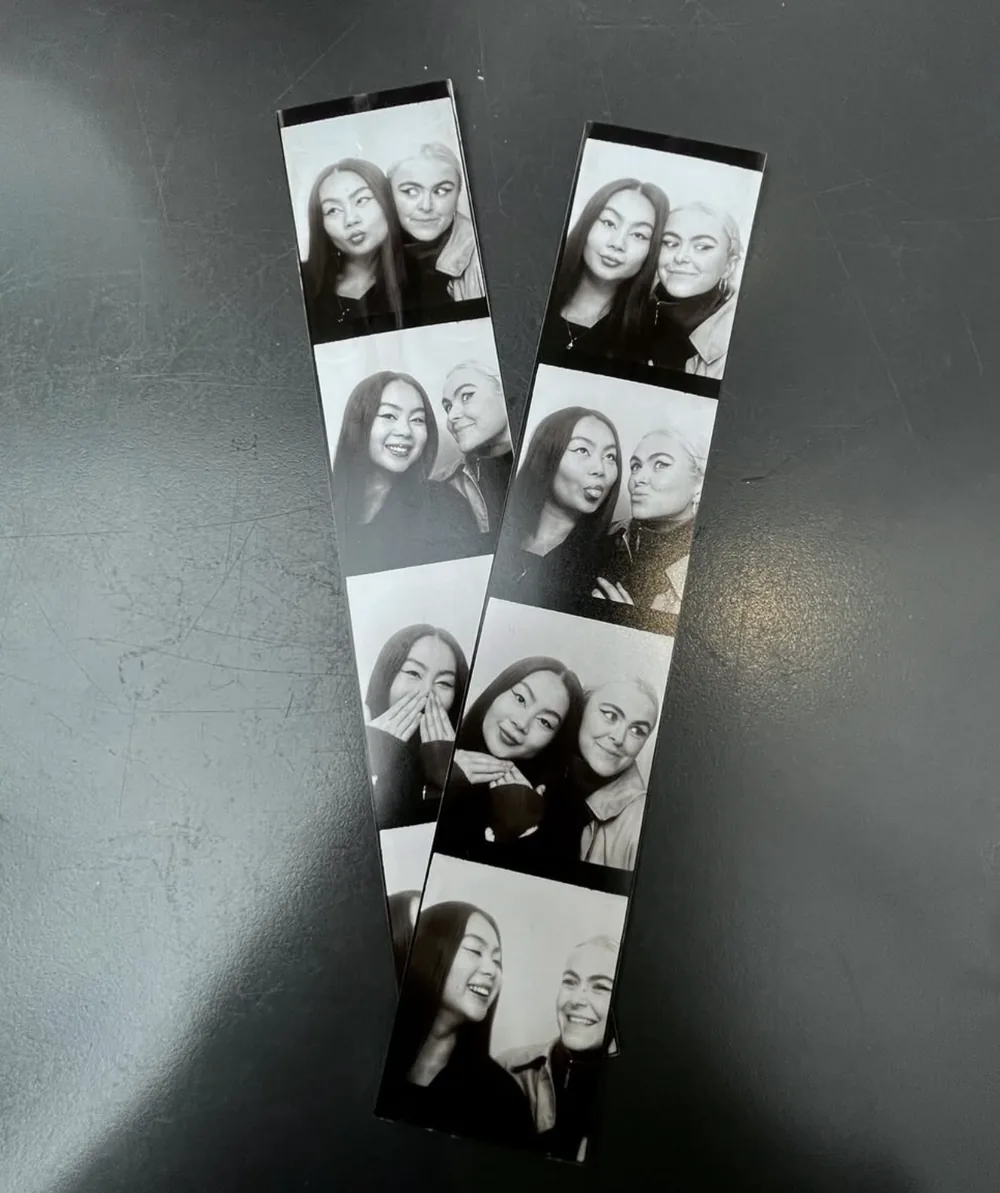
What's the big vision now? New role, BFS Alumni Board, YB&H 2.0 on the horizon: where is Mickey Jones headed next?
Well the dream is to create a self-sustaining career where I work for myself. I already had a taste with freelance and loved the freedom. But I still have a lot to learn, new skills to master and a little side project that I need to stop procrastinating. Most importantly though, I want to travel and see the world. Hopefully I'll find somewhere I can call home along the way.
Finally, to the next generation of changemakers: the ones still outside the door, wondering if this industry has a place for people like them. What would you say to them?
Whether the creative industry realises it or not, we absolutely need new blood to continue existing. However, what you might find is waiting for a place to open up gets boring real quick. And if you're impatient like me, then make your own space. You turn far more heads being a die-hard hustler, than standing outside the clurbbbb like a poser.
Thank you, Mickey. The stage is wider for having you on it. If her words found you somewhere real, the next generation of changemakers is exactly who this place was built for: here is what we mean by that word.