Where Do Emotions Come From? Understanding What You Feel
Most of us were handed a simple story about emotions: they happen to you, like weather. Something triggers them, you feel them, and your job is to control them. The modern science tells a different and far more hopeful story, and understanding it is the first step of the work we do.
Emotions are made, not triggered
The neuroscientist Lisa Feldman Barrett spent decades looking for the fixed fingerprints of each emotion in the brain and body, one circuit for anger, one for fear, and found that they are not there. What the evidence shows instead is that your brain constructs each emotion in the moment, from three ingredients: what your body is feeling, the situation you are in, and the concepts you have learned for making sense of both (Barrett, How Emotions Are Made, 2017).
That last ingredient is the important one. The same racing heart, in the same meeting, can be assembled into dread by one person and anticipation by another, depending on what each of them learned to expect. The feeling is completely real in both cases. But it is made, and what is made from learning can be remade.
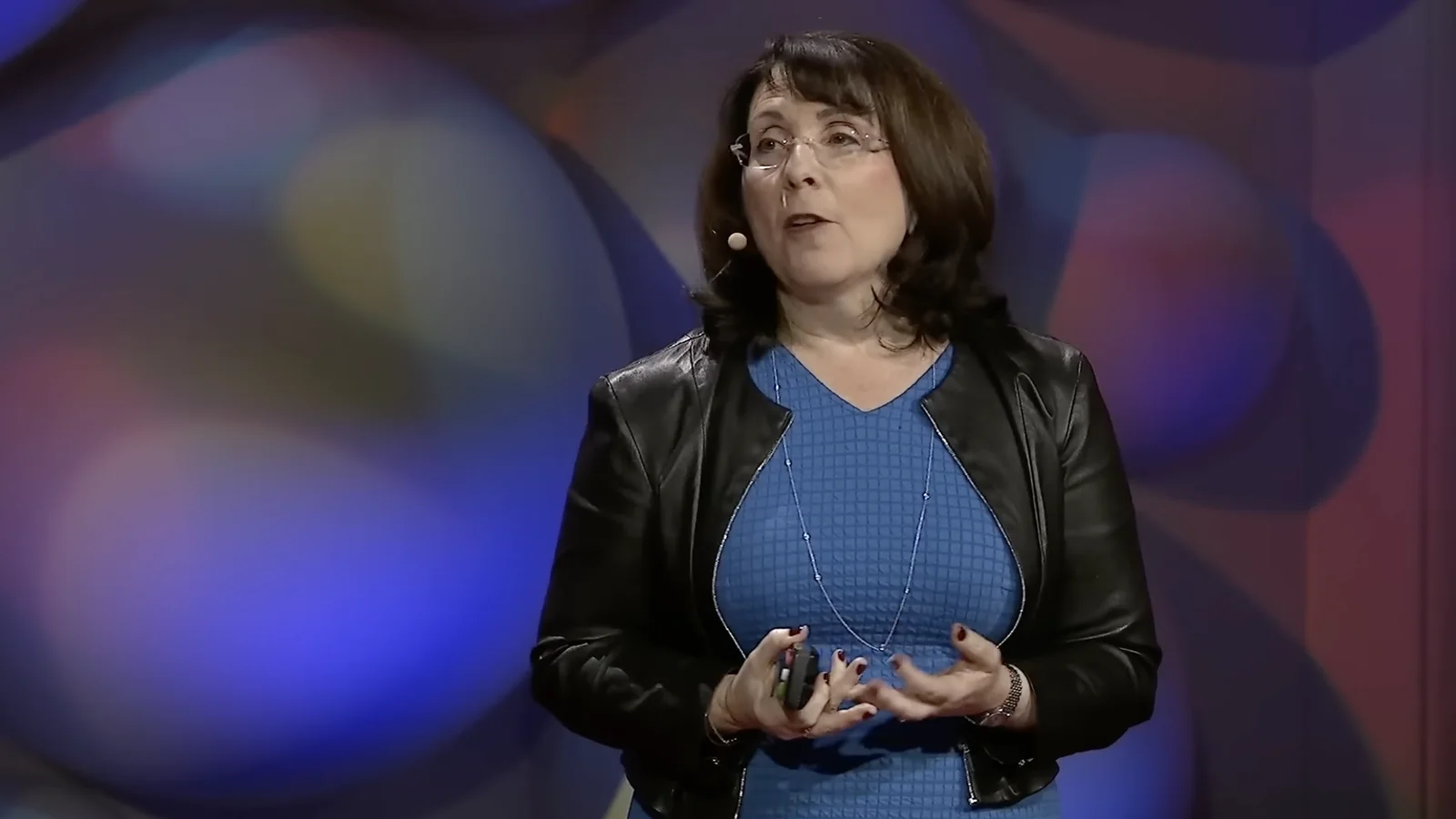
Hear it from the researcher herself: Lisa Feldman Barrett on how the brain makes emotions. Talk and cover image courtesy of TED.
Naming a feeling changes it
Here is a finding you can use today. When people put a feeling into words, activity in the brain's alarm system measurably drops (Lieberman et al., Psychological Science, 2007). Psychologists call it affect labelling, and it is why the vague heaviness that follows you around all day loses some of its weight the moment you can say "that is the imposter feeling" or "that is the dread before the send." Named, it becomes a thing you are experiencing rather than the water you are swimming in.
This is also why we ask you to bring one thing to a session, and why we give feelings a number out of ten. Naming and measuring are not paperwork. They are the first loosening. If you want to begin today, the You Are Not Broken workbook walks you through that first naming, gently, and it is yours to keep.
The feeling is information, not instruction
Once you know an emotion is constructed, you can hold it differently. It is information about what your body predicts this moment means, based on everything it has lived. Sometimes that prediction is accurate. Often, with the patterns that keep catching you, it is an old lesson firing in a new life: the dread was learned in a room you left years ago, and it still arrives on schedule. Nothing is wrong with you when that happens. A younger you learned something, thoroughly, and it is still doing its job. I know that one from the inside, and I have written about the lens I carried if you want the lived version.
Understanding this is genuinely useful, and it is also where understanding reaches its limit. Knowing where the dread comes from does not, by itself, stop it arriving. The lesson is not held in the thinking layer, which is why the next step of the work goes deeper than an article can.
This is the first page of a longer story
What you have just read is a taste of the ground we cover properly inside the membership. Every member begins with a full onboarding to the method: what emotions are, where your patterns were learned, how the mind sets a weight down, and how to work with your own, at your own pace, with films from me walking you through every step. It is ready the moment you join, and it is built so that anyone can begin with confidence, whatever they have or have not done before.
So if this way of seeing feelings made something in you sit up, that is worth listening to. The full story, and the setting down that follows it, starts on the membership page, and you can see what actually changes when people follow it through.
References
Barrett, L. F. (2017). How Emotions Are Made: The Secret Life of the Brain. Houghton Mifflin Harcourt. · Lieberman, M. D. et al. (2007). Putting feelings into words: affect labeling disrupts amygdala activity in response to affective stimuli. Psychological Science, 18(5).